
On June 18, 2023, the Titan Submersible, operated by US -based marine tour company Oceangate, imploded in the cold waters of the Northern Atlantic, killing all five souls on board. The Oceangate Titan was a vessel that often took explorers to the wreckage of the Titantic that sank in 1912, killing 1500 people.
While the Titan submersible’s tragic demise was one big catastrophic event that lasted mere milliseconds, its end was long in coming and an accident waiting to happen.
The Oceangate Titan Submersible disappeared on June 18, sparking a massive search. It was later discovered that the sub had experienced a catastrophic implosion over 12,000 ft below sea level, killing all five people on board.
Experts say that with the speed of the Titan’s implosion none of the passengers had time to process the pain; so they were blown to smithereens, but they felt virtually nothing. The passengers were Stockton Rush, Founder and CEO of Oceangate, Titanic Expert Paul-Henri Nargeolet, Explorer Hamish Harding, and Pakistani Businessman Shahzada Dawood, and his son, Suleman. But what were the circumstances that led up to that fatal moment?
First, I acknowledge that all the persons who died so tragically are valued loved ones to families and friends who are mourning their loss. I think of young Suleman Dawood, only 19, who had his whole life ahead of him, his father Shahzada, PH Nargeolet and the others lost who have contributed so much to the world and the understanding of the world.
I hear and feel the palpable pain of Suleman’s mother who lost both her son and husband. I hear the sadness of the stepson of PH, the friends of Hamish Harding expressing their guilt for not fighting harder to keep him from going on the ill-fated trip. The friends of sub’s inventor Stockton Rush are also remembering him for good, despite his fatal error that led to the loss of so many other lives.
Nevertheless, there are lessons to be learned. What lessons can we learn from this disaster? How can this speak to people who strive to live positive lives in Christ?
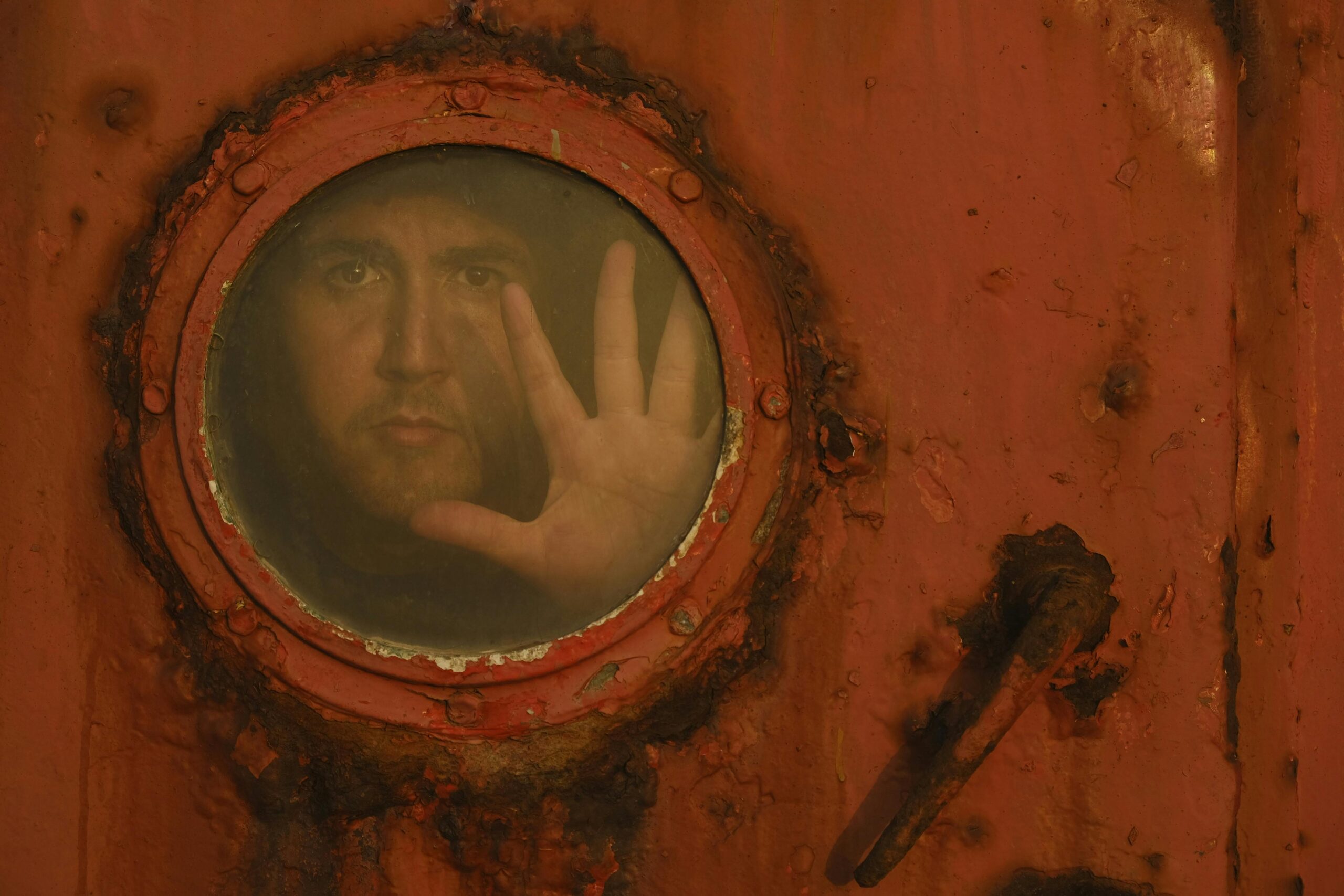
The image that captures the disaster most potently in my mind is one depicting the sub’s inventor, Stockton Rush peering eerily through the porthole of the sub, with darkness around him. The photo gave an appearance of a floating head cast in an iron stronghold. That was what Stockton Rush had come to represent, hubris and a stubborn and arrogant attitude.
From many reports, Stockton Rush was obsessed with taking excursions to the wreckage of the Titanic in his make-shift contraption. As ambitious as he was, observers felt Stockton wanted to accomplish his goal on the cheap. So he cut corners on the material. The Titan submersible was made of Titanium and Carbon Fibre, material that was not recommended for the depth such vessels normally explored. The Titan was at 12,500 ft. below sea level. Experts recommend that deep sea vessels like the Titan should be made from Titanium, because that material has a high strength-to-weight ratio and has the ability to handle the massive pressure at the extreme depth of the ocean. It was estimated that the pressure facing the Titan below the ocean was akin to the Eiffel Tower sitting atop the small sea craft.
Reportedly, Stockton Rush was repeatedly warned about the vulnerabilities of the vessel he had invented, but chose to ignore the warnings, perhaps driven by hubris, the desire to make history or simple greed for the money. Every passenger on the Titan was charged a whopping US$250,000 per person for the trip.
When we are Locked in on an Idea
There are times when we are so locked into an idea, believing our own narrative or hype. We are so consumed, completely surrounded and captivated by our own idea and invention that no one can tell us otherwise. It could be a physical invention as in the case of the Oceangate Titan. It may also be a mind-set that we have held for a long time whether good or bad, or it could be destructive behaviours that we have practiced for so long, they have become our norm and no one can correct us.
The Titanic Movie Director James Cameron said it best. He said the same arrogance and hubris that led to the sinking of the Titanic in 1912 were the same character flaws and principles that led to the loss of the Oceangate Titan.
The Titan’s inventor received many warnings from different experts in the industry. Each time he dismissed them. He accused persons of fighting against innovation and creativity and implied people were jealous. He railed against traditions and the tried and true methods of ensuring safety at depths. When you see interviews of him, he also spoke with a sense of pride and pleasure in ignoring the experts; he was almost scoffing and mocking the experts.
No doubt in his head, he was an expert. He had built a steel (or carbon fibre) frame around his invention and nothing was going to get him to change that narrow port-hole viewpoint.
Lesson one – Tradition can be a prison, but it can also be a solid foundation that provides guidance as well as safe growth and development. A wise person once said that when we fail to learn the lessons of the past we are bound to repeat them. We can respect the tried and true while learning to do things differently.
Ignoring our Dysfunction
Lesson two – We may have done well in life, despite our dysfunction, but it does not mean that our invention or way of being is sustainable. The carbon-fibre hull in the Oceangate Titan was cited by many as a weak and fallible structure that posed a danger. On the other hand, it was celebrated by its inventor as just as good, different, more cost-effective and what made the sub unique. This was a dysfunction that was embraced as the norm. It led to catastrophic failure.
Issues such as anger, hating others, drinking, drug abuse, sexual sins, are matters that many struggle with. No one is immune. The problem begins when we begin to see these vices as part of our identity and who we are. It means that we take no accountability, neither do we make a commitment with God’s help, to correct our flaws in ourselves. The invention of ourselves tells ourselves that we are wonderful, great and perfect, and have no need to change. In fact it is just other people who need to come around to the realisation of how wonderful we are.
I came across a comment talking about the negative aspects of visiting a certain Caribbean island that I am from. Many people responded attacking the writer, reminding the person of how unique and special the country was. Perhaps it would do us well to listen to what people are saying about us and try to be better. Perhaps it is about how people are experiencing us and our actions rather than the beliefs we have had in our heads for a long time about who we are. Sometimes it helps to step back and consider what other people are saying. A million people can be wrong about you; you can be misunderstood. Group think can also form attitudes towards a person. And yes, demons can put a believer in the enemy’s radar for persistent attacks, but we are always required to self-examine. But it still helps to step back from emotions and take a look at ourselves.
I Have Survived this Way for a Long Time and I am fine.
There is a saying in the island that I am from that if we carry a bucket to the well every day one day the bottom will fall out.
Oceangate Titan reportedly made at least 13 trips to the Titanic wreckage before the fateful day. It appeared that each time the Titan made the trip to the depths, it placed added pressure and incrementally corroded its infrastructure. The inventors mistakenly took this good fortune of surviving the previous trips for the fact that Titan’s structure had integrity and would hold forever. They did not realise that each time they went down to the depths, it compromised and weakened the sub’s structure more, eventually leading to its catastrophic failure.
Sometimes we can believe that God’s mercy that endures forever is an approval of our sinful and dangerous activities and proclivities. We keep plunging down to the depths of sin and negative attitudes and behaviour. One day, we may have to deal with catastrophic consequences.
How many times has the Lord warned us about a certain sinful behaviour or consequence and we just kept at it, because the consequences had not been readily visible or were long in coming? Many of us have been there. It may be a major sin or lifestyle choices that put you at risk but you chose to ignore the warning of God?
God warns you about overeating or eating too much of the wrong thing, but you have a problem managing your cravings, so you continue. Some years down the road you develop diabetes, or get a massive heart attack. God may urge you to curb your spending habits to no avail; later on down the road you face a financial crisis.
Stockton Rush perhaps had the hubris to think that he could continue to shirk the laws of physics and get away with it. He was so sure of himself and the death trap that he had invented that he obviously started to believe his own delusional press. In the end he became a victim of his own invention. There is an eerie image circulating on social media of Stockton Rush peering through the porthole of the Titan. The area behind him is dark, casting a bizarre shadow over him and made him look like an eerie disembodied head.
He literally became a victim of his own invention, and in the process taking others down with him. Suleman was only 19 years old, and took along his Rubiks Cube in a planned attempt to break the world record for solving a Rubiks Cube at that deepest depth of the ocean. Everyone on that vessel was going for some sort of glory, but the man leading the expedition did not play by the rules.
In our walk, we must play by the rules of God in order to navigate this life and make it safely to the other side. How many of us have been victims of our own inventions? These inventions are the delusions and stories we tell ourselves when we fail to act justly or wisely.
We must heed the voice of God and the wisdom that comes from others He has placed in our lives. Yes, we may get away with sin for a time, but if we continue in that way without repentance one day there could be an implosion in our lives.